
Understanding sustainable men’s fashion involves recognizing the importance of eco-friendly clothing and ethical fashion for men. Sustainable menswear focuses on creating garments that have a minimal impact on the environment, often using sustainable fabrics such as organic cotton, hemp, or recycled materials. This approach supports green fashion by reducing waste, lowering carbon footprints, and promoting fair labor practices. Unlike fast fashion, which emphasizes rapid production and consumption, slow fashion encourages thoughtful purchasing and durability, ensuring that clothing lasts longer and is produced responsibly. Embracing sustainable menswear not only benefits the planet but also supports a more ethical and conscious approach to style.

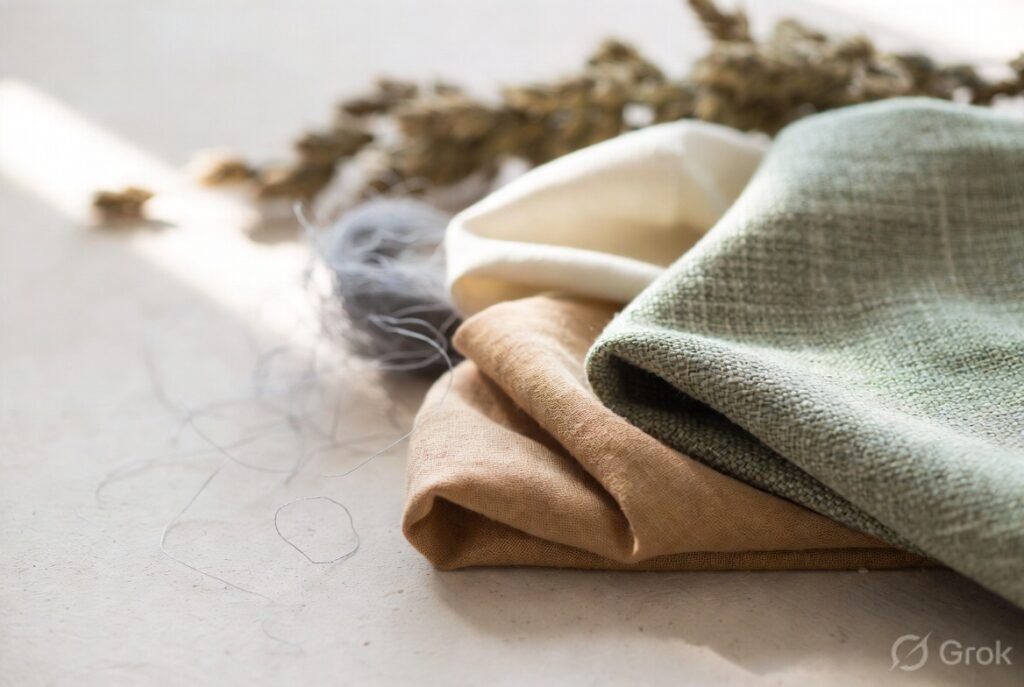
In sustainable men’s fashion, the choice of materials and fabrics plays a crucial role in reducing environmental impact. Organic cotton is one of the most popular options, grown without harmful pesticides or synthetic fertilizers, making it a healthier choice for both the planet and the wearer. Recycled polyester is another key material, created from repurposed plastic bottles and textile waste, which helps decrease reliance on virgin petroleum-based fibers while reducing landfill waste. Hemp clothing is gaining traction due to its durability, low water usage, and natural resistance to pests, making it an eco-friendly alternative to conventional fabrics. Bamboo fabric is prized for its softness and breathability, and when processed responsibly, it offers a sustainable option that also biodegrades more easily than synthetic materials. Additionally, biodegradable textiles are becoming increasingly important, as they break down naturally after disposal, minimizing long-term pollution. Many brands are also focusing on cruelty-free materials, ensuring that no animals are harmed during production, aligning with ethical and sustainable fashion values. Together, these materials form the foundation of a more responsible approach to men’s fashion that prioritizes environmental and ethical considerations.
When exploring ethical menswear brands, it’s important to focus on those committed to fair trade fashion and transparent supply chains. These sustainable clothing labels prioritize environmental responsibility and social equity, ensuring that every step of their production process minimizes harm and supports workers’ rights. Eco-conscious designers often use organic or recycled materials, reduce water usage, and implement energy-efficient practices to create stylish yet sustainable pieces. By choosing top sustainable men’s fashion brands, consumers can support a movement toward more responsible consumption while enjoying high-quality, fashionable clothing that aligns with their values.
Building a sustainable wardrobe for men starts with embracing the concept of a capsule wardrobe. This approach focuses on selecting a limited number of versatile, high-quality pieces that can be mixed and matched to create various outfits. When choosing items for a capsule wardrobe, prioritize durable clothing made from eco-friendly materials, as these will last longer and reduce the need for frequent replacements. Incorporating minimalist menswear not only simplifies your style but also encourages mindful purchasing decisions, helping to minimize waste. Sustainable style tips include opting for timeless designs over fast fashion trends, supporting brands committed to ethical production, and caring properly for your garments to extend their lifespan. By making these thoughtful choices, men can develop a wardrobe that is both stylish and environmentally responsible.

The environmental and social impact of fast fashion on men’s clothing is significant and multifaceted. Fast fashion consequences extend beyond just the rapid turnover of styles; they include substantial pollution from the textile industry. The production of cheap, mass-produced men’s clothing contributes heavily to water contamination, chemical waste, and excessive carbon emissions, increasing the overall carbon footprint of clothing. Additionally, labor rights in fashion remain a critical concern, as many garments are manufactured in conditions where workers face low wages, long hours, and unsafe environments. Addressing these issues requires a shift towards sustainable alternatives, such as choosing ethically made clothing, supporting brands with transparent supply chains, and prioritizing quality over quantity to reduce environmental harm and promote fair labor practices in the fashion industry.
Caring for your sustainable clothes is essential to maximize their lifespan and minimize environmental impact. Proper clothing care tips include washing garments in cold water and using eco-friendly laundry detergents that are biodegradable and free from harsh chemicals. Avoiding excessive washing and opting for air drying instead of machine drying can also help preserve fabric quality. When clothes show signs of wear, repairing clothes through simple mending techniques such as sewing tears or replacing buttons can significantly extend garment life. By adopting these practices, you not only reduce waste but also contribute to a more sustainable wardrobe, ensuring your eco-friendly pieces remain in great condition for years to come.

In conclusion, embracing sustainable men’s fashion is more than just a trend—it is a commitment to ethical style choices that reflect a sustainable lifestyle. By prioritizing fashion with purpose, men can make conscious consumerism a part of their daily routine, supporting brands and practices that respect both people and the planet. This shift not only helps reduce the environmental impact of the fashion industry but also paves the way for the future of menswear, where quality, responsibility, and style go hand in hand. Choosing sustainable fashion allows men to look good while doing good, proving that thoughtful decisions in clothing can contribute to a better world for everyone.